In today’s evolving education landscape, improving learning outcomes is a top priority for schools, educators, and policy-makers. While digital tools and apps flood the market, one simple yet powerful innovation stands out:clickers for classrooms.
These wireless student response systems—commonly known as clickers—are changing how teachers assess, engage, and interact with students in real-time. But the real question is:Do they actually work?
Let’s break it down.
What Are Clickers for Classrooms?
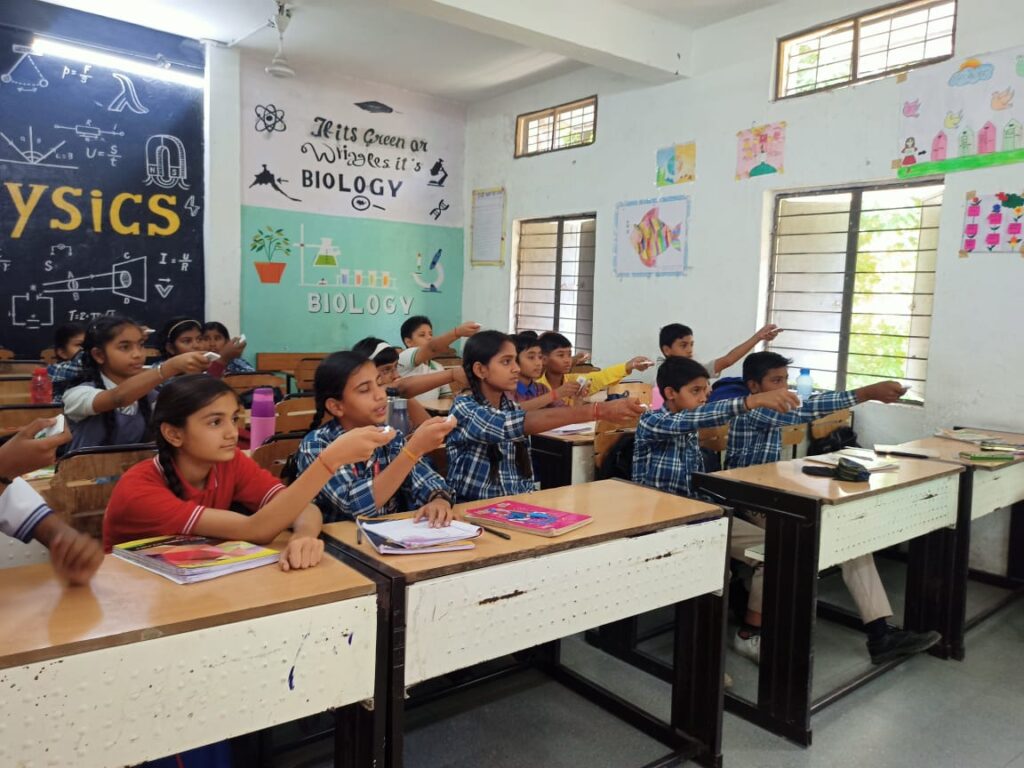
Clickers are handheld devices that allow students to respond to questions instantly during a lesson. Teachers pose multiple-choice or true/false questions, and students press a button on their clicker to submit answers. These responses are recorded and displayed on a teacher’s dashboard—without the need for internet or advanced infrastructure.
In platforms likeClass Saathi, clickers are combined with AI-driven analytics and curriculum-aligned content, making them a full-fledged classroom solution.
Do Clickers Impact Learning Outcomes?
Yes—and there’s data to prove it.
According to various education studies:
- Student participation increases by 100%when clickers are used regularly.
- Teachers report saving up to40% of classroom timeon grading and checking.
- Immediate feedback helps students understand conceptson the spot, reducing learning gaps.
By allowing instant checks for understanding, clickers helpreinforce learningin the moment—no more waiting till the end of the chapter or term.
Engagement = Retention
Clickers turn passive listeners into active participants. When students know they’re going to be asked a question during the lesson, theirfocus naturally increases.
For example, in schools using Class Saathi:
- Students who were earlier hesitant to speak up now respond confidently using clickers.
- Teachers report a sharp increase in concept clarity and reduced reliance on rote learning.
Benefits Beyond Academics
Clickers in classrooms don’t just improve academic outcomes—they also empower students emotionally. Since responses are anonymous, even shy or struggling students feelsafe to participatewithout judgment.
They also supportdifferentiated instruction, allowing teachers to spot who needs help immediately—and who’s ready for the next challenge.
The Bigger Picture
As India embraces NEP 2020’s vision of competency-based, tech-integrated education, tools like clickers are not just helpful—they’re essential. Especially in classrooms that lack stable internet or digital infrastructure,clickers for classrooms offer a low-cost, high-impact solution.
They help teachers teach smarter. They help students learn better. And they bring data to the classroom—without the overload.
Clickers are more than gadgets—they’re enablers of better learning. By giving real-time feedback, boosting engagement, and saving time,clickers for classrooms are quietly transforming how India learns—one click at a time.