Key Highlights
- See how clickers for classroom help with student engagement and make students take part in lessons. They change quiet sessions into moments where all get involved and learn in an active way.
- Look at how clicker questions let everyone stay anonymous. This can lower student stress and stop them from worrying about what others think during class.
- Find out how classroom clickers fit all sorts of learning styles. They make room for everyone and help each student feel included, even in a mixed-ability class.
- Learn about the good things instant feedback can give. Quick answers boost students’ confidence, increase their sense of achievement, and help keep them motivated.
- Read about some challenges that come with using clickers in the classroom. There can be technical problems. It can also be tough to find the right mix of using new tools with old-school teaching methods.
- Get simple and useful tips for making the most of classroom clickers. These ideas help you use them right and improve both student engagement and classroom discussions, which can lead to better academic results.
Introduction to Clickers for Classroom
Clickers for classroom, also known as audience response systems or student response systems, are changing how teachers teach and how students learn. These tools let students join in and get feedback right away, making the shift from a standard lecture format to more interactive methods possible. Classroom clickers help students feel more involved in the learning process and active learning. They also make student participation easier for everyone.
People are starting to ask how clickers help with things like classroom stress and being scared to answer. Classroom clickers can remove some fear of getting things wrong. In this blog, you will see how classroom clickers give real help for student participation. They help students feel better and take part more in class. This way, classroom clickers are changing the way we all look at teaching.
The Rise of Clickers for Classrooms
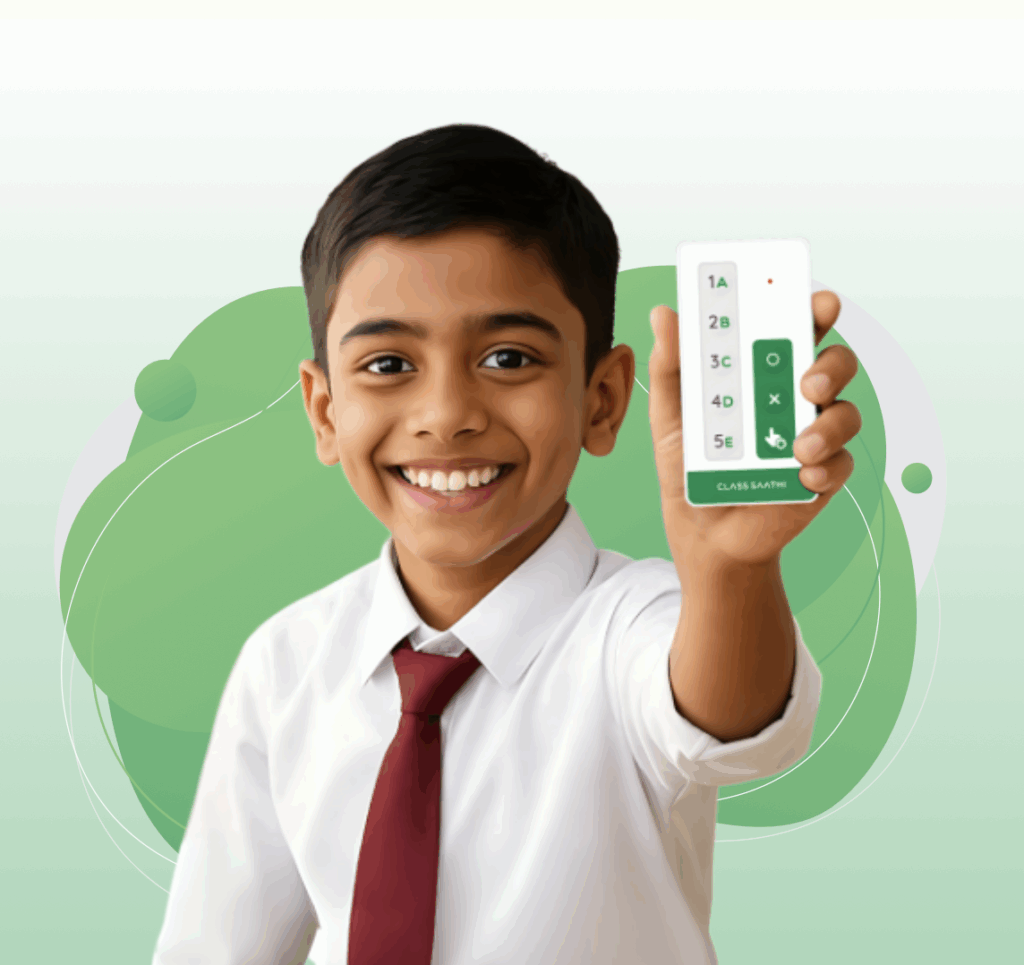
The use of classroom response systems, often called clickers, is becoming more common in Indian schools and colleges. These tools help connect old ways of teaching with new, fun, and interactive styles. They bring more energy to lessons and help improve classroom engagement.
Teachers in India are starting to make clicker use part of their teaching plans. This helps bring student participation up and makes the classroom a better place for everyone to learn together. With features like real-time polling and quick feedback, clickers turn regular classrooms into places full of active learning and teamwork.
A Brief History of Clickers for Classroom (Response Systems)
Early classroom response systems were simple. People used things like hand-raising and colored cards to see student engagement. In the 1990s, radio frequency technology brought electronic clickers. With this change, students could answer in private, even in big classes.
This new way let teachers get and look at data in real time. The teaching world changed a lot after that. Over the years, clicker systems started to use apps and classroom response systems with interactive tools. These changes made it easy to use clickers for class talks and tests.
Today, clicker systems are not just in college. You can now find them in school classrooms for younger students too. These tools make classroom engagement easy. They give teachers a good way to check what students know. They also let teachers change the way they teach, so it can fit student needs better.
What are the Psychological Impact of Clickers?
Clickers are not just tools or pieces of technology. They help boost real changes in how people feel in the classroom. Clickers take away the fear that comes with talking in front of others. This lets students feel sure about giving honest responses.
When students use clickers, two things happen. The tool helps people join in and also helps teachers give feedback right away. Clickers help students show good social behavior in a group. This makes everyone in the class feel more willing to take part and helps keep them interested. The class becomes a better place for everyone. Students feel supported, so they get involved and play a bigger part in their own learning.
Reducing Student Anxiety and Fear of Judgement
One of the most helpful things about student response systems is that they help lower student anxiety. When students answer clicker questions without others knowing who answered what, they do not have to worry about getting answers wrong. This takes away the fear of judgement, which often stops people from joining in.
With clicker systems, students get privacy. This makes them feel safe when they work with hard ideas and take their time to understand. They get to try new things in class and take part in bigger and better ways, all without being afraid of what others think.
All this leads to a classroom where everyone can join in. The students feel good about sharing what they think and feel. By helping students open up, clickers make the class more lively, letting everyone have a chance to grow, be involved, and get more confidence.
Boosting Confidence Through Anonymity
Classroom response systems help students join in without saying who they are. This lets everyone, even those who are shy, join in. If students are not sure about their answer, they can still take part because they can stay anonymous.
When students use these classroom response systems again and again, they start to feel better about speaking up. At first, some may only answer because people will not know it is them. After some time, though, they get used to these systems and feel more sure about talking in class. They go from just listening to being part of the talk and sharing ideas.
Clickers help change how students feel in class. They help students feel ready and able to learn together. This makes it easier for the whole class to do well and work with each other.
Encouraging Honest Participation
Clicker questions help students give real answers because they do not have to worry about being seen by others. When students know no one will see what they picked, they feel safe to share what they really think.
This helps make student engagement stronger. The class becomes a place where teachers can spot what students do not know or where they are confused. This helps the teacher to focus on what needs to be taught, so lessons work better.
Letting students give honest answers makes them feel like they are part of the class. It also helps all students feel welcome. This makes it easier for everyone to understand the work and helps people work together.
Clickers as Catalysts for Active Learning
Clicker use has changed the way many classrooms work. It helps to make the class a lively place for active learning. Students get to join in with talks, quick quizzes, and critical thinking tasks. This means they are not only listening, but also taking part in what the lesson covers.
When students use clickers in group work or real-time polls, they get to dig deeper into each topic, including basic facts, leveraging various clicker question ideas. This makes lessons more interesting and helps them remember information better. Clickers help close the gap between what teachers tell us and how students join in. With more student engagement, these tools help bring out the best in active learning and active learning strategies.
Making Passive Students Active Contributors
Many times, when teachers use their usual way of giving talks, not all students feel part of the class. Some students do not want to speak out and may not get involved. Clickers help with this by making every student take part.
When students answer questions during class, it helps them get involved no matter how sure they feel or how much they know. Students who might sit quietly now join in and go from just watching to really taking part.
If teachers use clickers often, it helps students get more into the lesson. More students join the talk, and lectures become better for everyone. It helps make sure all kinds of students can join in.
Fostering Peer Interaction and Collaboration
Clickers help each person take part in class and also help students learn from each other. Many teachers use clicker responses to start small group talks or ask more questions.
When students work in pairs or groups, they talk about their thoughts. They get to know other views and improve their skills with people. This way, students learn more and feel like they belong in the classroom community.
By using clicker-based activities, teachers help the class work as a team and think deeply about problems. This way, the classroom becomes a space where students learn from their own ideas and from the group.
Breaking Down Barriers—Inclusion and Accessibility
Clickers help make the classroom open and easy to use for all. With clickers, people can take part in many ways. This lets those with different needs join in, so everyone can stay involved.
Because these systems are so flexible, all students get the same chance to join in. It does not matter where they come from or how they like to learn. Clickers take away many big roadblocks, so everyone can take part. They help make places where the whole class lines up to have a good time with their classes and chase their learning goals together.
Supporting Diverse Learning Styles
Modern classrooms have many students, and they all learn in different ways, reflecting individual teaching styles. Some learn best by seeing things, some by listening, and some by doing activities with their hands. Clicker systems fit well with all these styles. They give many ways for students to get into the material.
Formative assessments can use things like sounds, polls you take in real time, or helpful pictures. With these tools, teachers can use clicker systems to work with every learning type in the room.
Having this mix lets every student get a fair shot. It helps people understand better and makes the main ideas clearer for everyone.
Levelling the Playing Field in Mixed-Ability Classrooms
Mixed-ability classrooms can have a hard time helping every student feel included. Clickers can help with this by letting all students answer questions in a way that is anonymous. No one will be singled out and every student can take part.
When there is a fair environment like this, students who find things hard will have more confidence. At the same time, students who are ahead can get new questions that make them think more.
Using this data-driven way lets teachers change their lessons. This helps make the learning process easier for everyone and makes sure no student is left behind. Clickers help to make spaces in the classroom that work for everyone and can fit all kinds of needs.
The Influence of Clickers on Student Motivation
Clickers help students feel more motivated because they turn class activities into games and fun challenges. The instant feedback from clickers lets students know how they are doing right away. This makes it easy for them to see where they need to get better.
When students get credit for even small tasks, clickers help them feel proud. This gives them a reason to stay interested in their own progress and want to do better each time. This mix of noticing achievements and giving new challenges keeps students eager to learn for a long time.
Instant Feedback and Its Motivational Effects
One of the best things about clickers is that they give you feedback right away. In real time, you can see what you did right and where your ideas may be wrong. This helps clear up any confusion and makes you want to be more active in the way you learn.
Students can know their strengths because they see how they did right after the formative assessments. This open way of seeing your work makes learning more about each person. You can grow and get better by checking on how you are doing all the time.
Students feel more excited to join in as they see that they are in charge of what they learn. This makes them want to come back and do more, so they can do their best with the material.
Building a Sense of Achievement, One Click at a Time
Each time students use the clicker and get it right, they feel they have done well. This kind of small win helps them feel like they can do more. When students often have these good moments, they grow more confident. They start to take part more, even if they felt unsure before.
As time goes by, all these wins start to add up. Students see that day-to-day work pays off when they work with the course material. They start to see the value of their effort and feel good about working hard.
Clickers help turn little wins into bigger ones. This helps students do better in school and helps them build a good feeling about learning for life.
Challenges and Criticisms of Clicker Technology in Classrooms
While clicker technology brings many good things, there are also some things that can be hard when you start to use it. Sometimes, you may have trouble with the tech, like losing connection. This can stop the class and take up teaching time while you try to fix it.
Teachers need to find a good mix between using new tools and their usual teaching methods. By using clickers the right way, teachers can boost student engagement. At the same time, they do not have to leave behind good, old teaching ways that work well.
Addressing Technical and Logistical Issues
Using clickers in class, particularly this type of clicker, can bring some common problems, like device problems and signal breaks. Things like making sure there is a clear line of sight for infrared systems, or dealing with radio noise, can take up valuable class time.
To lower these risks, teachers need to test clicker devices before the lesson starts. This can help things run better during class time. Having IT support can also help stop breaks in learning and keep things working well.
Making sure clickers are easy to use for all students is important too, no matter if they are in the room or joining in a mix of ways. Good planning helps make clickers work well in all types of classes.
Class Saathi’s mobile-first architecture simplifies this: it works on smartphones and tablets with minimal setup. With robust support and training materials, even low-tech schools can integrate it with ease.
Balancing Technology with Traditional Teaching Methods
Blending classroom clickers with old teaching methods needs a clear plan. This way, teachers can push active learning and also use their own teaching style. When teachers add clicker questions to lesson plans, they can boost classroom engagement and encourage class discussion. It helps people give honest responses and can get students to try peer instruction with each other. Using classroom response systems with other teaching methods makes a good space for student learning. These tools support formative assessments too. They also help specific students get a deeper understanding of the course content.
Conclusion
The use of classroom clickers helps make the class more lively and keeps students interested. When teachers ask clicker questions, they can check how student questions are being answered right away with classroom clickers. This use of clickers lets all students give honest responses. Because of this, everyone in the class can have a deeper understanding of the course material and make better sense of what they learn.
Adding classroom clickers to regular teaching methods can help all types of teachers. This mix can open up more ways for student engagement and help students start to think deeply and build critical thinking. In the end, the strategic use of clickers and clicker questions helps with student success. It brings something new to higher education and changes the classroom for both teachers and students. With formative assessments, the steps in this dynamic learning environment work for everyone.
Creating Inclusive and Interactive Learning with Class Saathi
Clickers have revolutionized classroom learning by enhancing engagement, providing instant feedback, and accommodating diverse learning styles. When implemented strategically, tools like Class Saathi by TagHive help educators create more inclusive, motivating, and personalized learning experiences.
For Indian educators especially, Class Saathi offers a cost-effective, mobile-friendly, and data-backed solution to bring interactive learning to life—whether in urban classrooms or rural schools with limited resources.
By blending traditional teaching with modern clicker technology, schools can unlock the full potential of every student.
Frequently Asked Questions
1. How do clickers change classroom dynamics?
Clickers significantly transform the classroom environment by shifting the traditional lecture-based model to a more interactive, student-centered approach. They allow every student to participate, not just the vocal few, which results in higher engagement levels. With tools like Class Saathi by TagHive, teachers can ask real-time questions and get immediate feedback, allowing them to tailor their lessons based on students’ understanding. This leads to a more dynamic learning atmosphere where collaboration, curiosity, and quick assessment are seamlessly integrated into the teaching process. Students become active contributors to their own learning, while teachers gain deeper insight into class comprehension.
2. Are clickers effective for all subjects and age groups?
Yes, clickers can be adapted for various subjects and education levels—from primary school to higher education. Whether it’s mathematics, science, history, or language arts, clickers are flexible tools that support formative assessments, quizzes, and open-ended discussions. For younger students, interactive clicker questions can turn lessons into games, which promotes engagement. For older learners, they can support critical thinking and knowledge checks. Platforms like Class Saathi offer subject-specific templates and customizable assessments that align with the learning goals of diverse subjects. However, the success depends on how creatively the teacher integrates clickers into their teaching methods and adapts them to suit different learning paces.
3. How can teachers integrate clickers without causing distraction?
Teachers can maximize the benefits of clickers while minimizing distractions by establishing clear rules and usage patterns. It’s important to integrate clickers purposefully into the lesson plan rather than using them as standalone gimmicks. Using them at key points—for example, after explaining a concept or before starting a new topic—can help maintain focus. With platforms like Class Saathi, teachers can schedule quiz sessions, track participation, and even restrict irrelevant device usage, making it easier to maintain discipline in tech-enabled classrooms. Discussing the importance of the tool with students also helps them understand its educational value and keeps them engaged in meaningful ways.
4. Do students actually prefer using clickers over traditional methods?
Yes, numerous studies and surveys suggest that students generally prefer classrooms where interactive technology like clickers is used. They appreciate the anonymity it provides, which helps reduce fear of judgment and encourages more honest responses. Instant feedback boosts their motivation and helps them understand where they stand in real time. Clickers also make learning more dynamic and enjoyable, breaking the monotony of one-way lectures. Solutions such as Class Saathi further personalize the experience by offering gamified quizzes, leaderboard rankings, and positive reinforcement features that students find rewarding. Overall, the use of clickers creates a more inclusive and engaging educational experience, which is especially important in today’s fast-paced, attention-driven world.
Discover how Class Saathi is revolutionizing classrooms with its smart clicker technology in this official introduction video.