Key Highlights
- Clickers, also known as classroom response systems, significantly enhance real-time student engagement in class.
- They facilitate instant feedback, enable formative assessments, and inspire active learning strategies.
- Indian educational institutions are shifting towards both hardware-based and app-driven clicker solutions like Class Saathi by TagHive.
- Clicker questions promote peer instruction, group discussions, and inclusivity among small and large groups of students.
- Advancing AI integration and learning analytics amplify the effectiveness of clickers in modern classrooms.
- Challenges such as connectivity issues, cost, and accessibility are being effectively addressed to broaden adoption.
Introduction
Clickers, also called classroom response systems, are helping to change how students take part in classroom learning by prompting student questions. When teachers use clicker questions, there is more student engagement and the class becomes more interactive, moving away from a standard lecture format to create a dynamic learning environment. These tools let teachers see right away if students understand the teaching methods being applied. So, lessons can fit better with what students need.
In India, more people are now using clickers. This is making a big difference. The immediate feedback and clear answers from these systems help students have a better understanding. With clickers, learning is getting better in many kinds of classrooms. Platforms like Class Saathi by TagHive are making it easier for Indian schools to adopt this technology effectively and affordably.
Understanding Clickers in the Modern Classroom
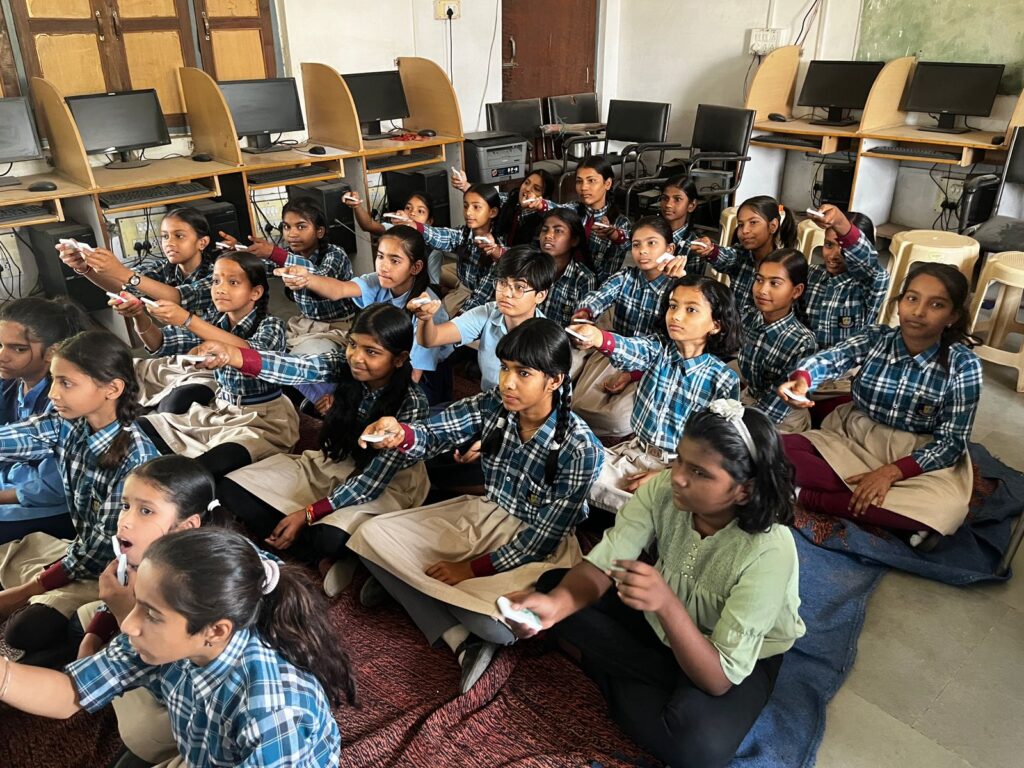
Clickers, also called clicker systems or classroom response systems, are now a key tool for teachers. They help make lessons more interesting and easy to understand. Clickers let teachers ask choice questions. Students can answer these right away. This helps everyone take part and creates a student-focused space in the class.
With this technology, every student gets included in the learning. It makes students think more and join in. As teaching styles change, clickers help teachers stay close to their students. They help everyone work together in class and adjust to different ways students learn. Clicker-based tools like Class Saathi offer seamless integration in both tech-savvy and low-infrastructure classrooms, promoting inclusivity across all learning environments.
What are Clickers for classroom and Classroom Response Systems?
Clickers, also known as classroom response systems or audience response systems, are special tools made for students to take part in class right away, engaging with course content. These can be handheld devices or apps that you put on your phone, depending on how the classroom works.
They let teachers gather and show answers right then and there. Teachers can use questions like multiple-choice or true/false to get quick replies. This helps make learning more fun and lets teachers change how they teach based on real data.
When answers are anonymous, clickers help include students who may not want to talk out loud. This means more people take part, and teachers get a clear idea of what the class knows through honest responses. This way, teaching and learning gets better for everyone. For example, Class Saathi enables both device-based and app-based responses, giving teachers real-time feedback even in schools with limited digital infrastructure.
Evolution of Clickers in Educational Settings
Clickers became popular first in higher education, mostly in life sciences education. People used them in big lecture halls to help teachers manage the crowd and let students work in small groups. When clickers came in, the way of teaching started to change from students just listening to students actually being more involved.
With time, more and more people started to use clickers. Now, you can find them not only in larger classrooms at universities but also in secondary schools and in places where professionals get trained. Because clickers can work for different class sizes and teaching goals, they are useful in many types of learning spaces, saving valuable class time.
These days, clickers work easily with digital platforms. They can be used with both old-style lectures and new teaching setups. This mix of flexibility and technology helps clickers stay important in all levels of education. They help teachers get students involved, use active learning, and find a good way to blend technology with teaching. Clickers like Class Saathi are now being used in both private and government schools in India, showing how adaptable and scalable these tools have become.
Types of Clickers Used in Indian Classrooms
The use of clickers in Indian classrooms is not the same everywhere. Teachers and schools choose from different options to help both small groups of students and big groups. As more schools and colleges start to use this new technology, they pick the type that works best depending on what they have and how easy it is to get.
Some educators go for the usual wireless clickers. Others prefer using an app that students can run on their phones. Both choices help teachers make lessons more engaging. This works well for all, whether the groups of students are in big city colleges or small groups in village schools that may not have many tools.
Class Saathi offers a unique hybrid approach—providing both Bluetooth-based clickers for offline settings and mobile apps for digitally equipped schools—making it a versatile solution tailored to India’s diverse education landscape.
Traditional Hardware-Based Clickers
Wireless clickers, including infrared clickers, are audience response systems. These use small devices in the hands of users. The devices send answers to one central place. People like these traditional tools because they are very reliable. They are easy to use and are not affected by interference from other technology.
This helps schools and colleges that do not have much digital support. These places need steady learning without breaks. These systems are also good for places where internet is weak. This makes sure all students have a chance to join in and take part.
Many people now use mobile apps, but hardware clickers still have a place. They work well in standardised tests or when a school wants control over the classroom. Because these are easy to use and reliable, they are great for getting every student involved with wireless audience response systems. Class Saathi’s Bluetooth-based clickers are purpose-built to address such challenges, especially in rural and semi-urban schools.
Mobile and App-Based Clicker Solutions
Mobile and app-based student response systems let people use everyday mobile devices like smartphones and tablets like interactive clickers. With the help of these apps, users can take quizzes, answer polls, and give live feedback. This makes student engagement better and more active.
The systems are easy to use and do not cost a lot. These things have made them the go-to choice, mostly in city schools in India where many people have access to digital devices. Instructors can hold interactive tests, and students get to join in without needing extra equipment.
Because they scale up well and work in many ways, app-based clickers are now liked more in higher education for mixed learning classes. If there is a good internet connection, these systems let instructors see feedback right away. This gives them the power to change how they teach in order to match what people in the class need, ultimately contributing to student success. Class Saathi’s app-based solution is designed to run smoothly even on basic Android phones, making it accessible and impactful in digitally growing environments.
Key Benefits of Using Clickers for Real-Time Engagement

Clickers have changed how teachers and students connect in real time during lessons. They are useful for quick checks to see what students understand right now, including basic facts. Teachers can look at the answers fast and know if the class is following along.
These tools help students be part of the lesson in every subject or group, no matter how many people are in the room. So, students do not sit and just listen anymore. Now, they take part and share their thoughts, which helps them learn more and get a better school experience. With solutions like Class Saathi, this engagement is paired with insightful data that helps both teachers and school administrators improve academic outcomes.
Immediate Feedback and Formative Assessment
The best thing about clickers is that they give quick feedback. When teachers use clicker questions, they can find gaps in student learning right away. With this instant data, teachers can change their lesson plans to fix any problems in what the students understand.
For example, if most of the class gets a question wrong, the teacher can have more discussion before moving on. On the other hand, if most give the right answer, it shows the class can go ahead.
Clickers work as a way to check student learning during the whole learning process. They help keep students involved and allow for changes in lessons to fit what the rest of the class needs. Class Saathi also provides visual dashboards that show individual and class-level performance, making it easier for teachers to personalize instruction.
Enhancing Student Participation and Inclusivity
Clickers help everyone take part in the classroom by logging clicker responses. In a discussion group, some students are quiet and do not talk much. When you use clickers, people can join the talk without others knowing who said what. This lets them speak up without worrying about what others think.
This way, all students in the group can share ideas. Every student’s thoughts and answers start to matter more. When teachers show all the answers in charts or graphs, you see many points of view. This method makes people talk, ask questions, and debate with each other.
Clickers help more students to join in. Because of this, there is more student engagement and everyone feels that they belong. Clickers help people feel good about sharing and working together, making the class a fair place for all. Tools like Class Saathi ensure that even the most reserved students can actively participate through anonymous responses.
Effective Ways to Integrate Clickers into Teaching
Bringing clickers into the classroom in a careful way helps everyone talk more and understand the course material better.
When teachers use interactive questions and connect them with active learning and active learning strategies, it helps students get interested and close gaps in what they know. This makes the class more engaging and gives more meaning to the lessons.
Designing Interactive Questions
Making good clicker questions is key when you use clickers in the classroom to facilitate class discussion. The right question can help specific students engage in critical thinking more, and it gets them involved in the learning process. This keeps everyone active instead of just listening.
Tips for writing strong clicker questions:
- Make sure each question matches a clear learning goal, including various clicker question ideas.
- Mix in simple facts with questions that make students think a bit more.
- Use real-life situations so students can see how the idea works outside class.
When teachers take time to improve the clicker questions they use, it can really help students understand the topic better and make the classroom more lively. Platforms like Class Saathi also provide pre-loaded question banks aligned with national curricula, helping teachers save time while ensuring quality.
Facilitating Peer Instruction and Group Discussions
Clickers help a lot with peer instruction. They let teachers break the class into small groups. In these groups, people talk and solve problems together.
For example, the teacher can show the class what answers everyone picked for a question. Then, if the results are not near consensus on the correct answer, the students can discuss their choices in small groups and look at their answers again. This way, they learn more from each other.
When students work in small groups, they get better at working together. The teacher makes the classroom a place where everyone takes part. Talking and sharing ideas with each other lets them learn more and build social skills. Using clickers in this way helps with both learning and working together. With Class Saathi, the process is smooth and structured, allowing teachers to track progress before and after peer discussions.
Strategies to Maximise Student Engagement with Clickers
Using creative ways with clickers helps maintain student interest and encourages participation in lessons.
When you add active learning through quizzes, games, and fast feedback, you bring new energy into the classroom. These strategies make the room come alive and keep all students engaged.
Gamification and Quizzes for Active Learning
Turning usual clicker activities into games is a powerful way to boost engagement. Gamified quizzes make students want to get involved, adding fun and friendly competition.
For example, using team contests or displaying a leaderboard can energize a classroom. These elements transform routine lessons into memorable learning moments. With clickers like Class Saathi by TagHive, students can grasp concepts more clearly—without feeling like they’re doing just regular schoolwork.
Such interactive sessions encourage participation while meeting essential learning goals. In the end, education becomes more engaging and enjoyable for everyone.
Tracking Progress and Personalising Learning
Clickers help teachers monitor student performance in real time. This allows educators to adapt lessons based on each learner’s needs. With data-driven insights, teachers can identify strengths and pinpoint areas where students may need additional support.
If multiple students give the same incorrect answer, it may signal the need to revisit that topic. On the other hand, it could mean the class is ready for more advanced material. These insights allow timely interventions and personalized guidance.
Platforms like Class Saathi provide immediate analytics that support differentiated learning. Every student gets an equal opportunity to grow, creating a more inclusive classroom environment.
Addressing Challenges and Limitations of Clickers
While clickers provide many benefits, some challenges remain—including device cost, wireless interference, and technical issues. However, these obstacles are manageable.
Schools that invest in robust systems and follow best practices to reduce interference typically see better outcomes. Initiatives like TagHive’s Class Saathi, which offer low-cost and scalable solutions, help bridge gaps in accessibility across diverse school settings.
Managing Technical Issues and Connectivity
Seamless clicker performance depends on strong infrastructure. Problems like slow connectivity or interference can reduce system reliability.
These issues can be addressed by choosing reliable platforms like Class Saathi, which are designed for Indian classrooms and tested under real-world conditions. Regular updates and responsive tech support also ensure smoother classroom integration.
When teachers are trained to handle these tools, they can quickly troubleshoot problems—ensuring consistent usage and minimizing disruptions.
Cost Considerations and Accessibility in India
Affordability is a major consideration in the Indian education system. Schools often choose between hardware and app-based solutions based on initial setup cost and ongoing maintenance.
| Solution Type | Upfront Cost | Maintenance | Accessibility |
| Hardware Clickers | High | Moderate | Limited |
| App-Based Solutions | Low | Low | High |
App-based systems, such as Class Saathi, are cost-effective and widely accessible via smartphones. They offer an inclusive alternative for schools with limited budgets. However, in areas with low digital penetration, hardware-based solutions might still be preferred.
This flexibility allows schools to select the best fit for their infrastructure and needs.
The Future of Clickers and Edtech in Indian Classrooms
Edtech in India is evolving through AI, smart data, and blended learning. Clickers are now more than just voting tools—they are integrated systems enhancing classroom interaction and outcomes.
As hybrid teaching models grow, clickers will support more flexible and engaging learning environments. Tools like Class Saathi are leading this change by blending AI insights with real-time student engagement strategies.
Integration with AI and Advanced Learning Analytics
AI enhances classroom response systems by helping educators interpret data more effectively. It identifies trends and suggests instructional strategies, allowing teachers to tailor their lessons on the go.
With platforms like Class Saathi, teachers access dashboards showing student responses, strengths, and problem areas—making adaptive learning more practical.
This integration leads to smarter classrooms that are responsive to every student’s learning curve.
Potential for Blended and Hybrid Learning Environments
Blended learning is gaining popularity for its flexibility. Clickers work seamlessly in both in-person and virtual classrooms. Through live polls and collaborative tasks, they break the barrier between physical and online teaching.
Clicker tools like Class Saathi enable teachers to run quizzes, gather feedback, and promote discussion across devices—helping students learn in ways that fit both solo study and group work.
As hybrid models dominate modern education, such solutions help transform passive classrooms into active learning zones—regardless of student location.
Clickers have reshaped how classroom interaction works. They allow real-time dialogue and immediate feedback, creating inclusive and engaging learning environments. When used effectively, teachers can assess understanding instantly and tailor instruction for better outcomes.
With smart tools like Class Saathi by TagHive, classrooms become more responsive and equitable. As AI and data-driven strategies evolve, clickers will play an even more important role in shaping the future of education.

Frequently Asked Questions
How do clickers improve classroom participation?
Clickers like Class Saathi promote engagement by allowing all students to respond during class. This ensures inclusivity and boosts participation through real-time interaction.
Are clickers suitable for all age groups and subjects?
Yes, clickers are adaptable for various age groups and academic subjects. From elementary to higher education, they offer interactive opportunities across disciplines.
What are affordable clicker options for Indian schools?
Platforms like iClicker, Poll Everywhere, and Class Saathi offer budget-friendly options tailored for Indian classrooms. App-based tools especially provide cost savings and flexibility.
Can clicker data be integrated with existing learning management systems?
Yes, many modern clicker tools—including Class Saathi—support LMS integration, allowing real-time feedback and data-driven insights to inform instruction.
How do teachers handle students without smartphones or devices?
Schools can use shared devices, hardware clickers, or group activities to ensure inclusivity. Tools like Class Saathi are also designed to support multiple access formats.
Try a free demo of Class Saathi today and experience how it can transform your teaching.