In the ever-evolving world of EdTech,clickers for classroomshave made a quiet but powerful entry. Yet, despite their increasing adoption in schools, several myths continue to cloud their true potential.
Let’s bust a few of the most common myths and uncover the reality behind using clickers in classrooms.
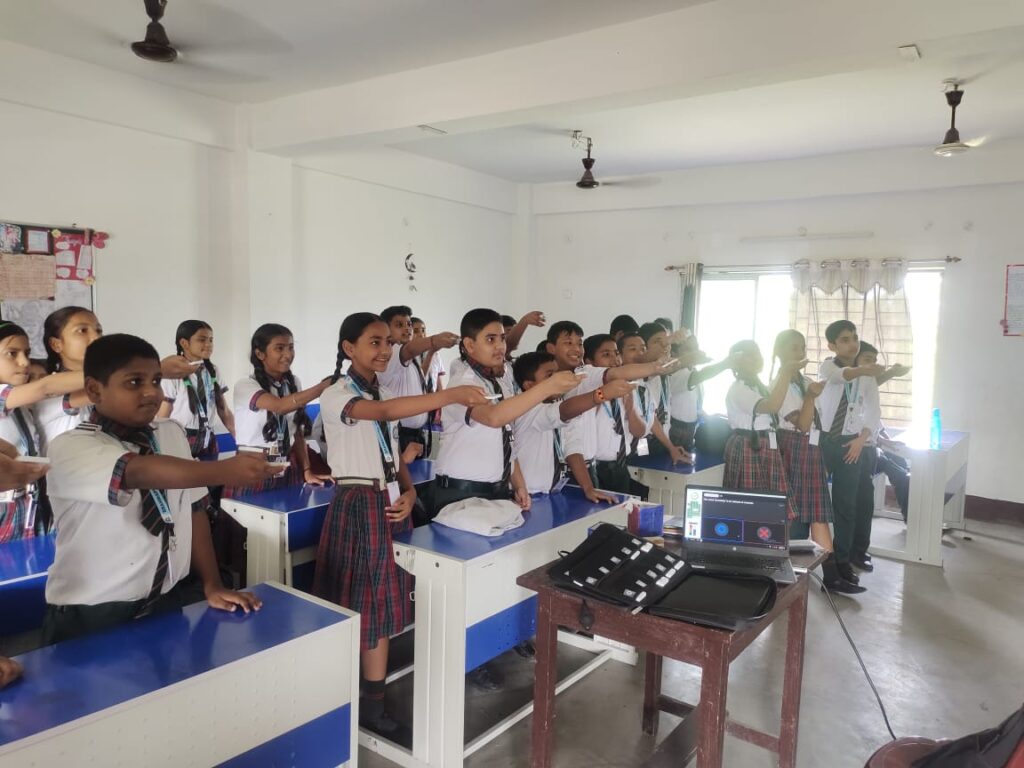
Myth 1: Clickers Are Just Fancy Tech Toys
Reality:Clickers are far from flashy gadgets. They’re practical, purpose-built tools designed to increase student participation and provide instant feedback—especially in schools with limited digital infrastructure.
Platforms like Class Saathi use clickers that work without internet, electricity, or personal student devices, making them extremely classroom-friendly.
Myth 2: Clickers Are Too Complicated for Teachers
Reality:Most clickers, especially those designed for Indian classrooms, aresingle-button, plug-and-play devices. Teachers can start using them in under five minutes—no tech background needed.
In fact, theysave up to 40% of teachers’ timeon assessment and grading.
Myth 3: Clickers Only Work in Smart Classrooms
Reality:That’s a big misconception. Unlike many EdTech tools,clickers for classrooms don’t need smartboards, Wi-Fi, or expensive infrastructure.They’re ideal for both urban and rural schools and function flawlessly in offline environments.
Myth 4: They Don’t Improve Learning
Reality:Schools using clickers report100% student participation, better concept clarity, and improved learning outcomes. Since feedback is instant and data-driven, teachers can adapt their lessons on the go.
Clickers are not a futuristic luxury—they’re a practical solution that meets today’s classroom challenges head-on. By separating myth from reality, it’s clear why more than10,000 classrooms globallyhave adoptedclickers for classrooms.